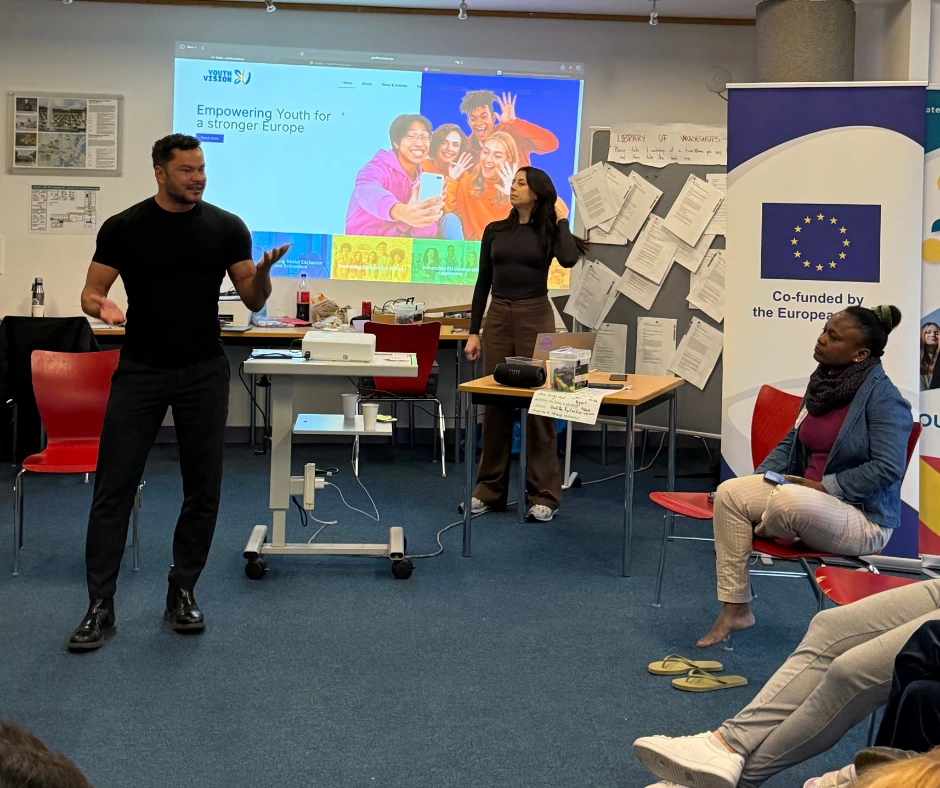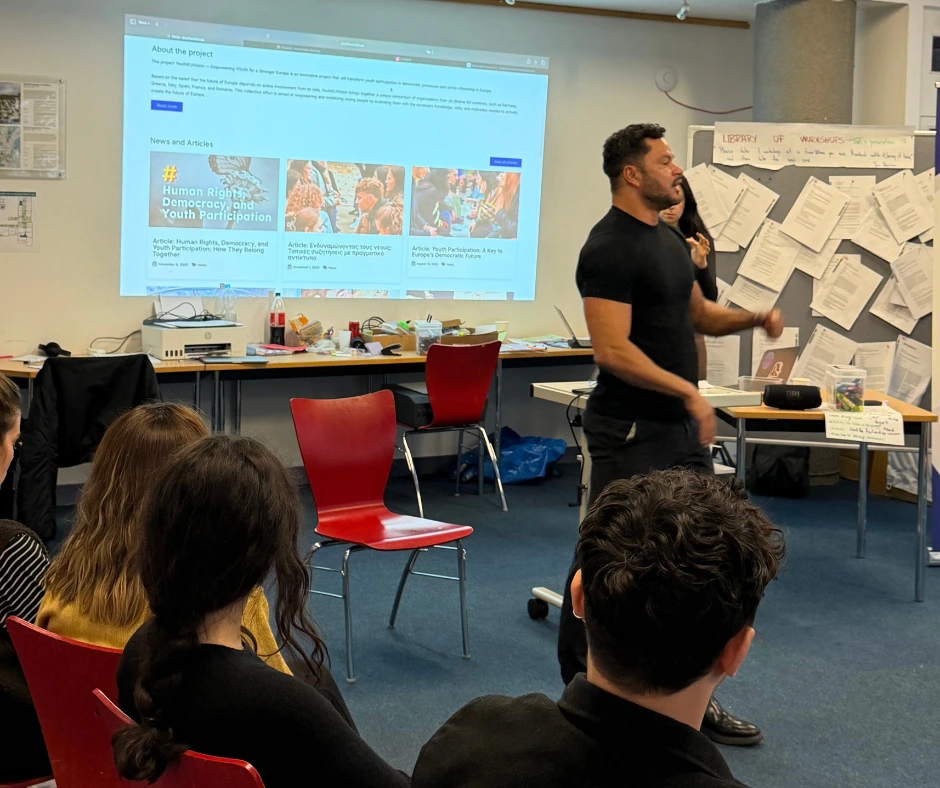
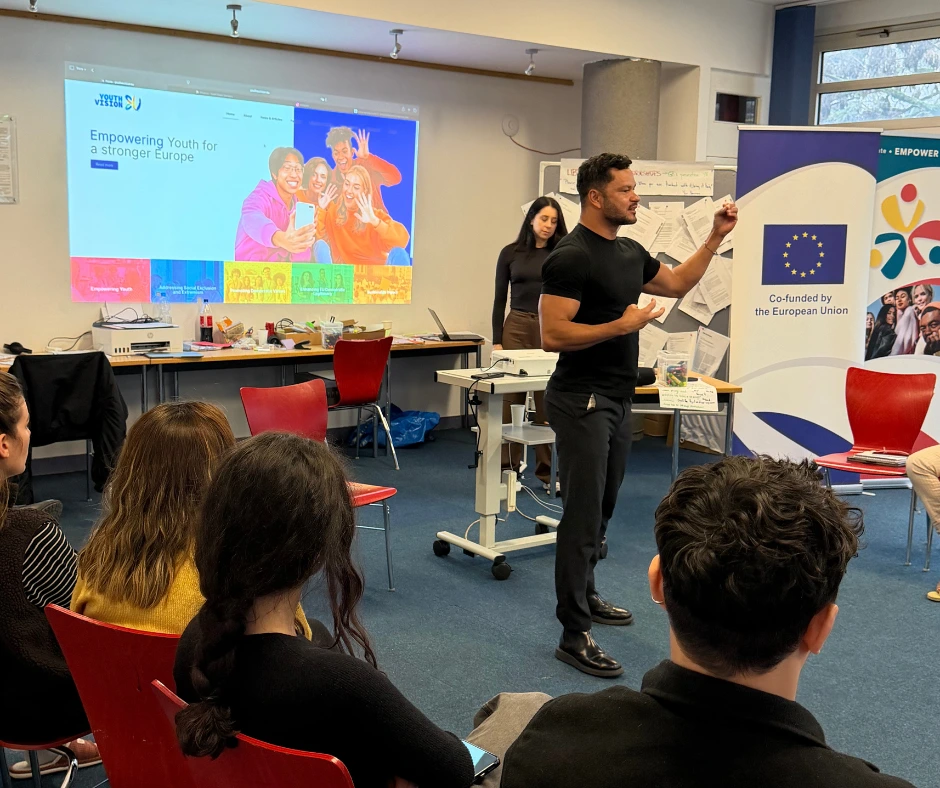


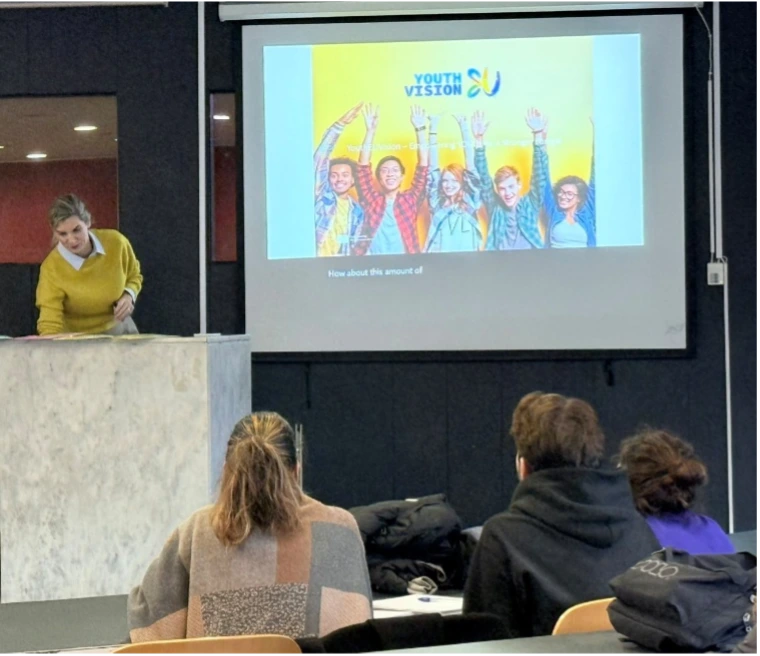
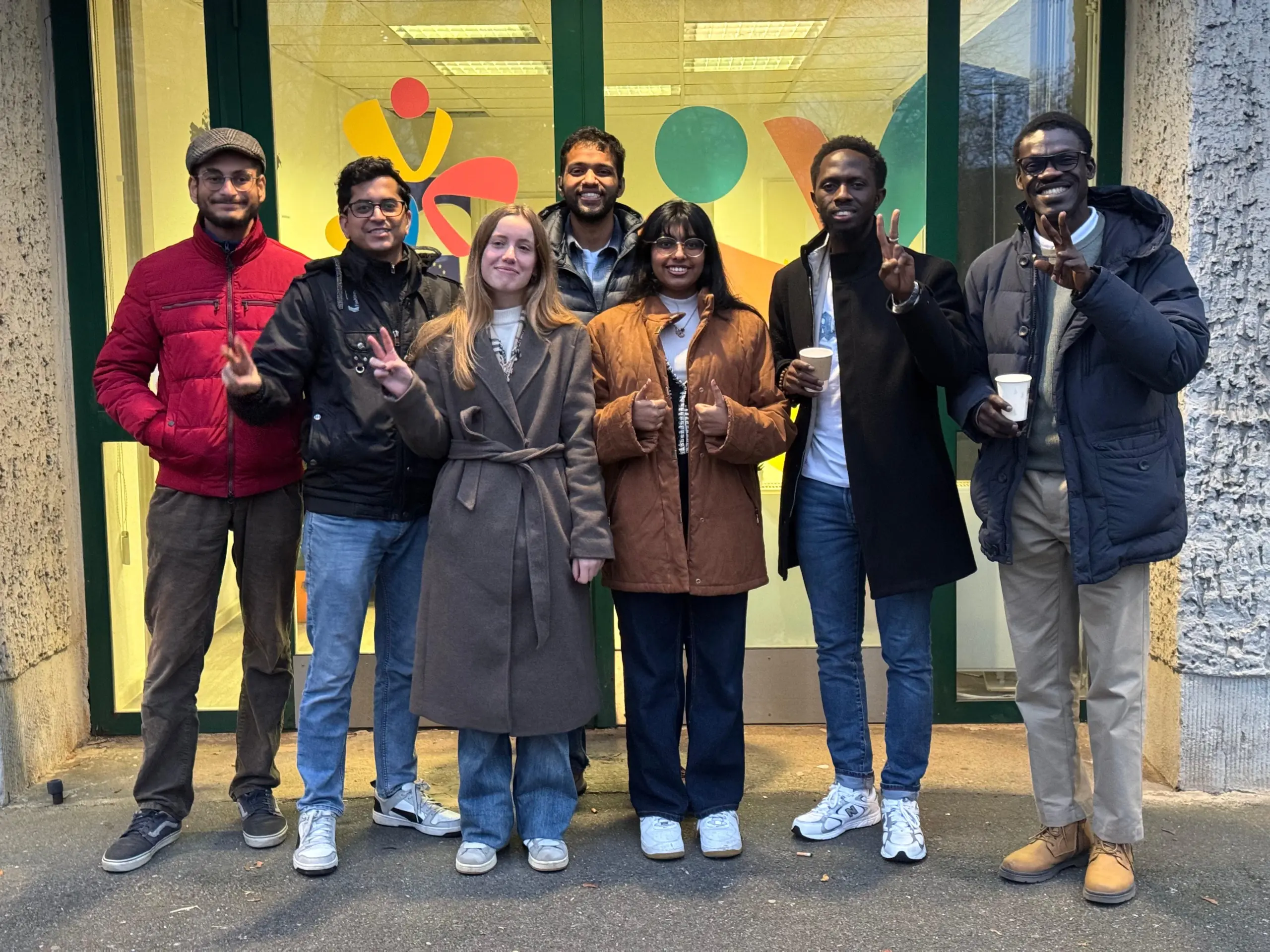
The final conference of the YouthEUVision project brought together 35 participants, including young people, educators, and youth workers, for a three-hour interactive event dedicated to democracy, participation, and human rights. The conference received very positive feedback, reflecting the relevance of the topics and the strong engagement of all participants.
“Youth voices matter. Democracy needs participation.” – Attendee
Held on Human Rights Day, the event placed human rights at the centre of the discussion, exploring their close connection to democracy, youth participation, and active citizenship. Participants reflected on the essential role young people play in protecting democratic values and shaping a more inclusive Europe.
“Human rights and democracy go hand in hand and young people are key to both.”
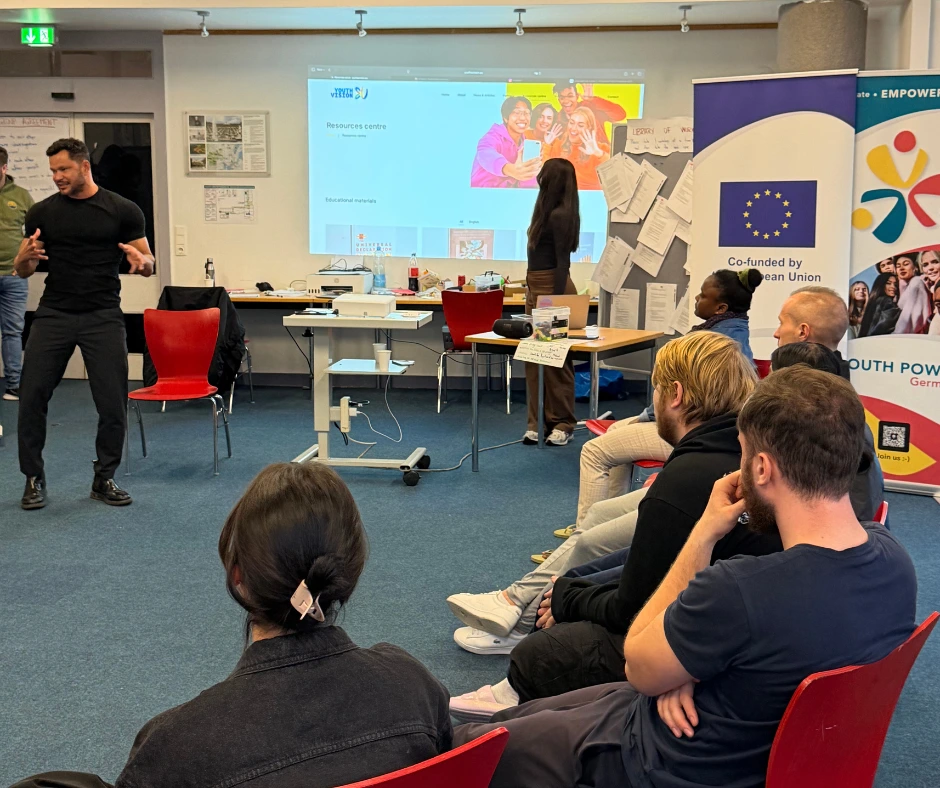
During the conference, we presented the YouthEUVision project, highlighting its main activities and key outcomes, and creating space for dialogue on the importance of civic engagement and youth involvement in democratic processes.
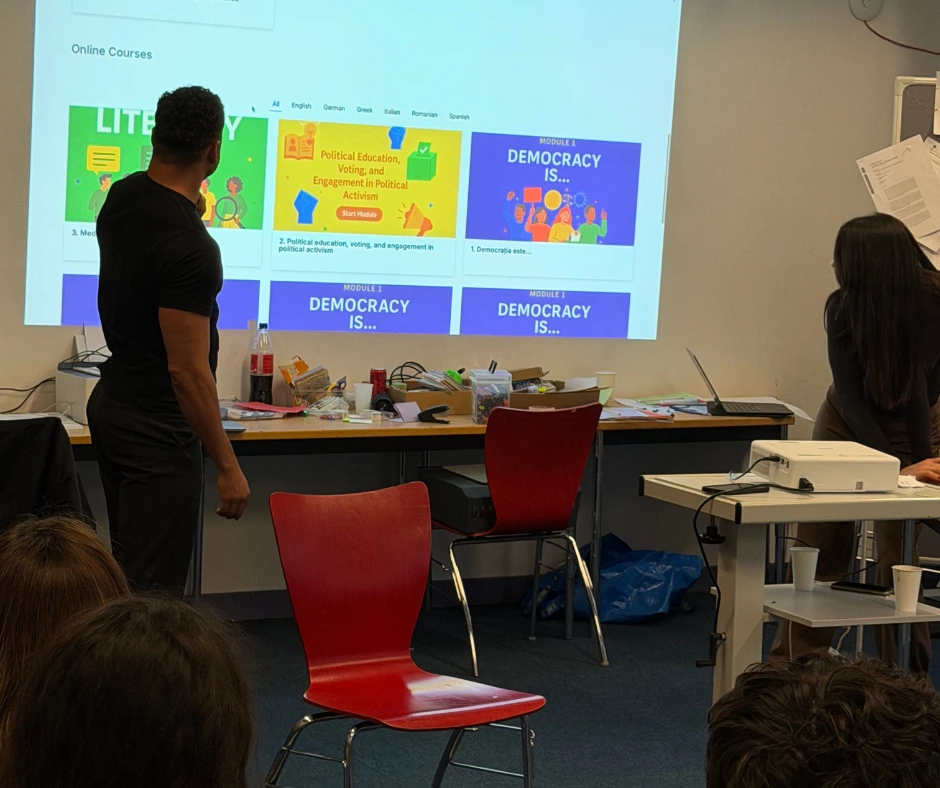
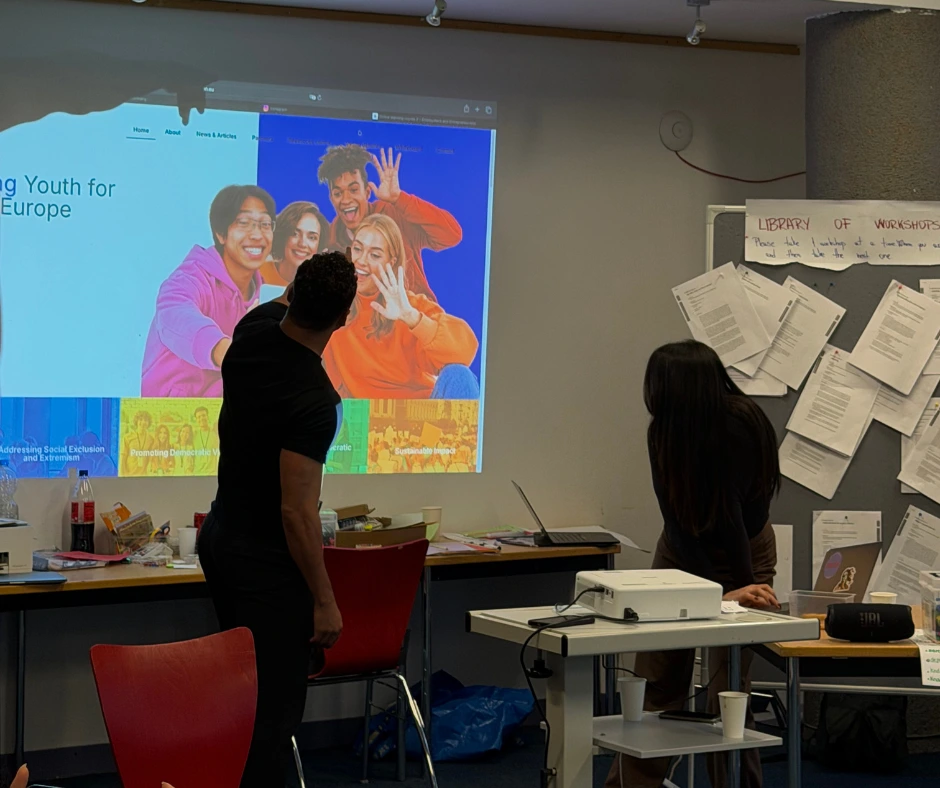
A key moment was the introduction of the YouthEUVision Online Academy:
👉 https://youtheuvision.eu
The platform offers reports, articles, and learning resources aimed at supporting young people, educators, and youth workers in understanding democracy and promoting meaningful youth engagement across Europe.
“Knowledge empowers participation.” – Attendee
The conference also addressed gender equality and participation, a central focus of the YouthEUVision project. Discussions highlighted ongoing challenges related to gender discrimination and inclusion, underlining the need for gender balance, equality, and solidarity in democratic life.
“There is no real democracy without gender equality.”
The event concluded with a shared reflection on how young people can raise their voices, participate actively, and act as agents of change for a more just and democratic society.
“Change starts with us.”

Funded by the European Union. Views and opinions expressed are however those of the author(s) only and do not necessarily reflect those of the European Union or the European Education and Culture Executive Agency (EACEA). Neither the European Union nor EACEA can be held responsible for them.