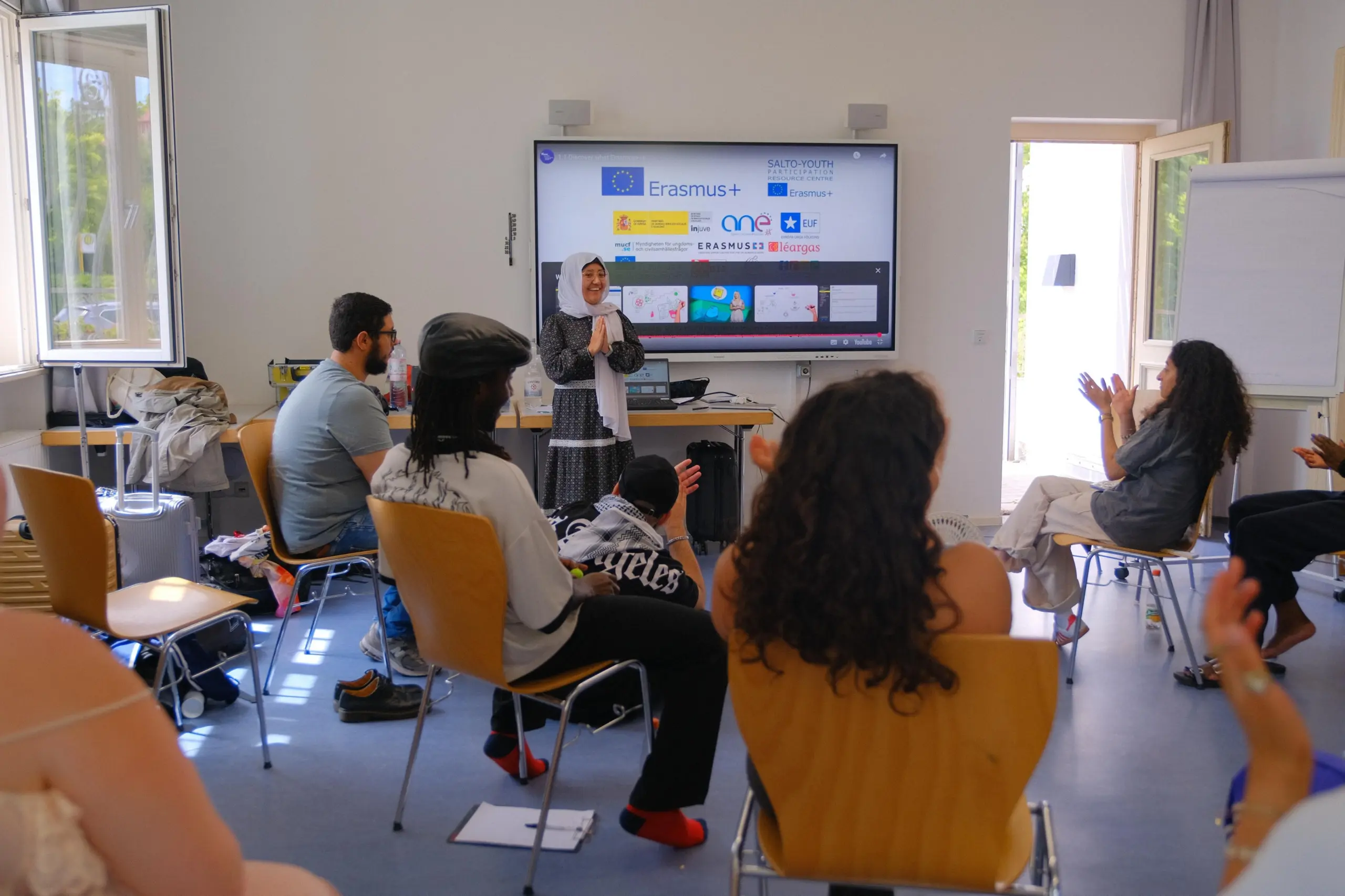


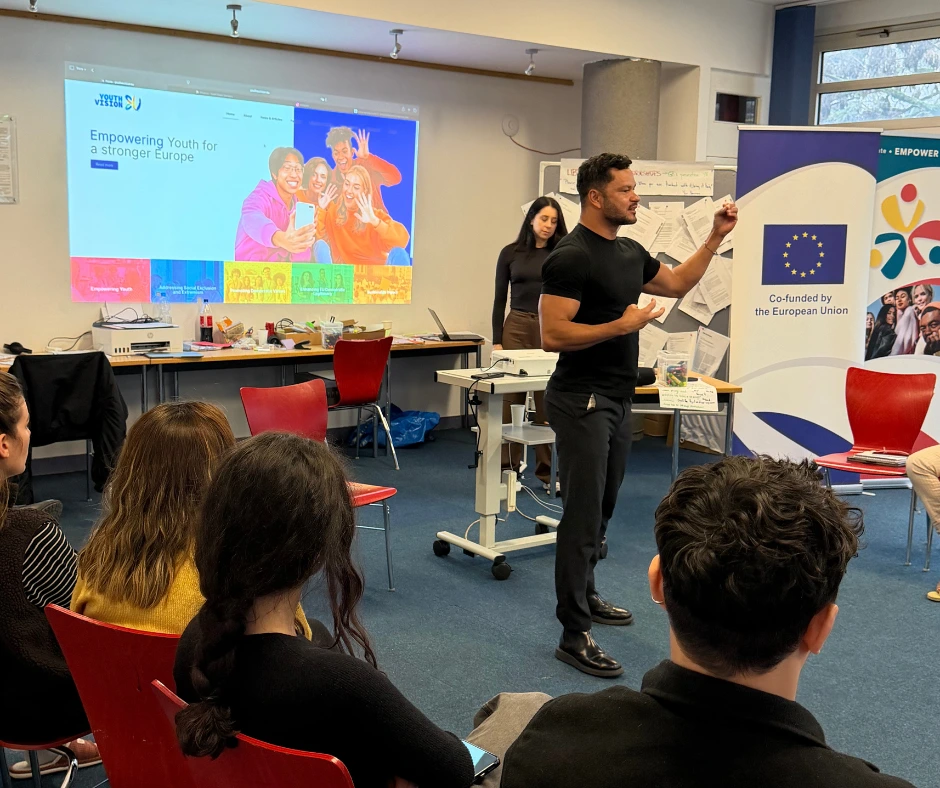
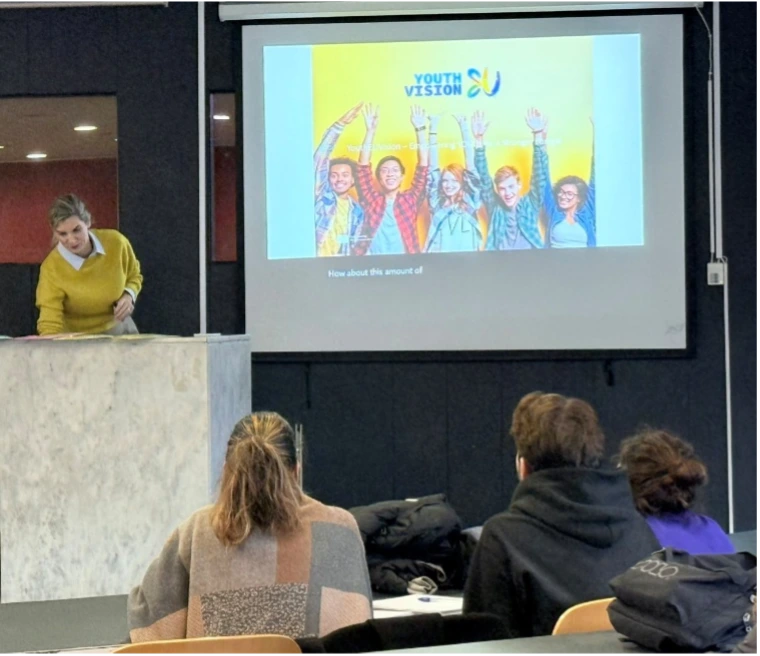
Across Europe, young people often express a strong desire to be heard, yet feel distant from decision-making processes that shape their lives. Within the framework of YouthEUVision – Empowering YOUth for a Stronger Europe, Work Package 3 (WP3) set out to address this gap by creating inclusive, face-to-face spaces where young people could speak, listen, and engage in meaningful dialogue.
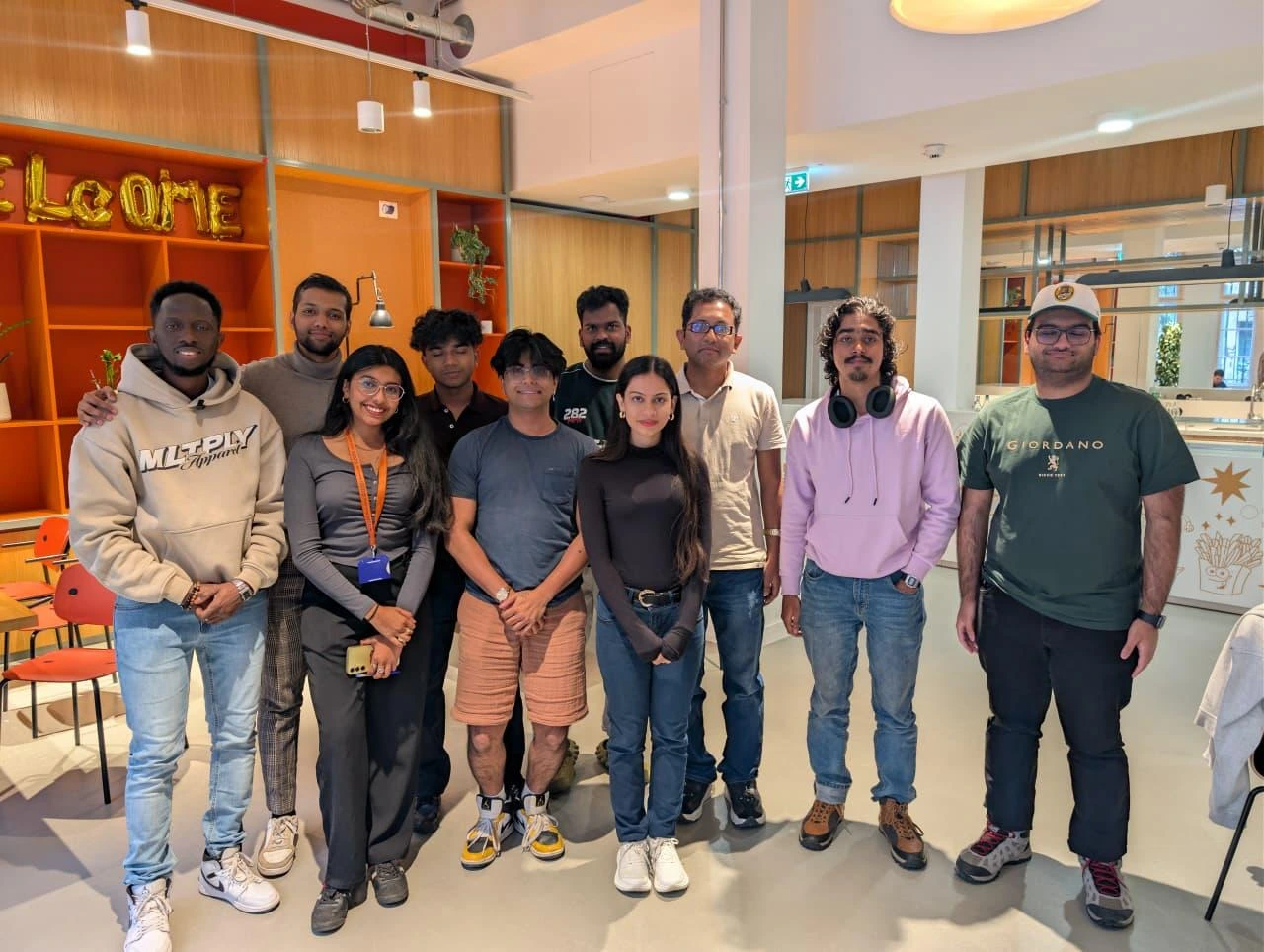
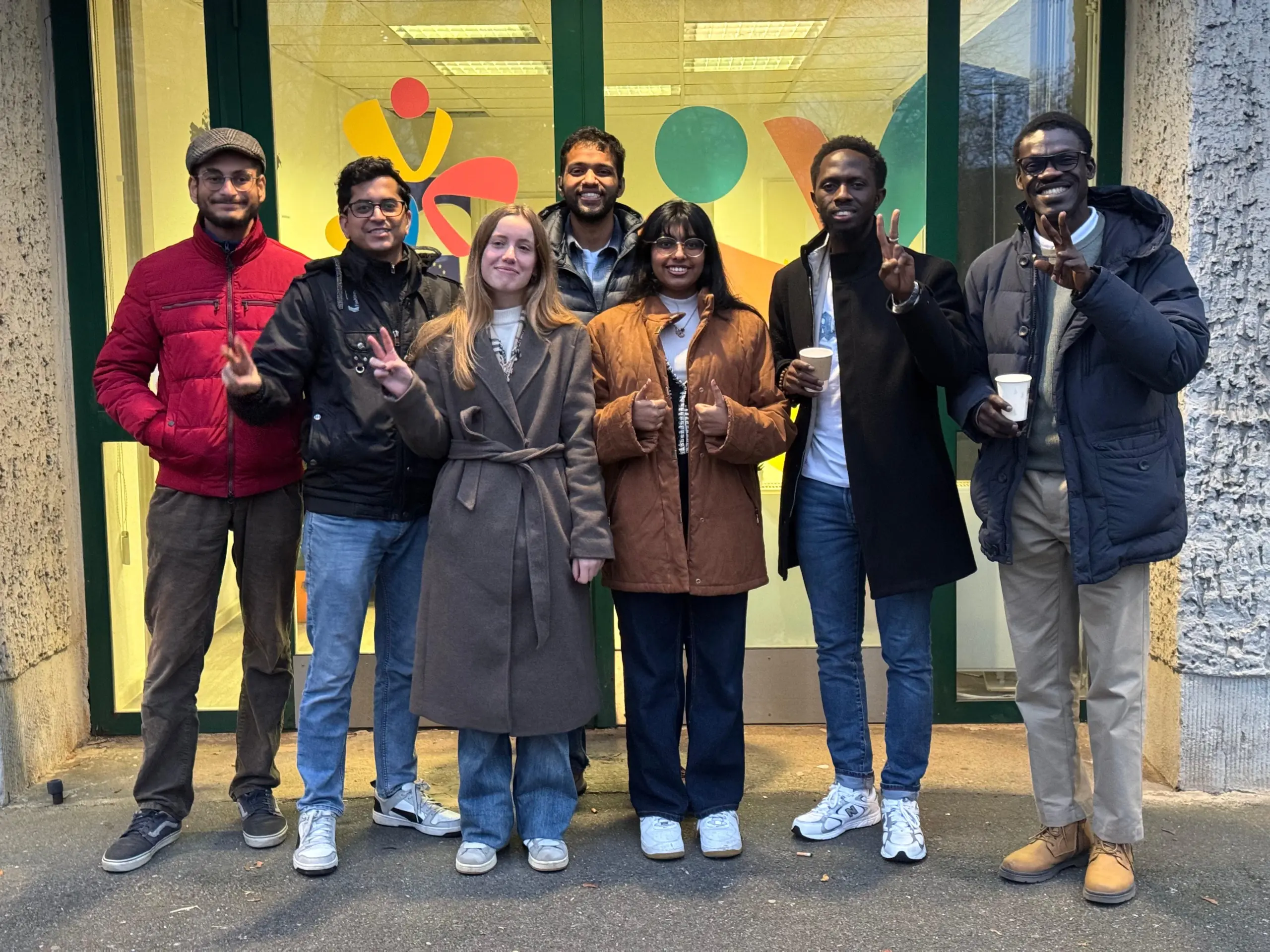
Between the six partner countries—Germany, France, Greece, Spain, Italy, and Romania—a total of 36 in-situ Physical Debates were organised, with six debates held in each country. Altogether, 343 young people took part in the WP3 activities, exceeding the minimum target of 276 participants defined in the Grant Agreement. This strong level of participation reflects both the relevance of the topics addressed and the effectiveness of the outreach strategies adopted by the partners.
The debates brought together young people from diverse social, cultural, and economic backgrounds, with a particular focus on the inclusion of youth with fewer opportunities, including participants from low-income families, migrant communities, rural areas, and educational or social support pathways.
Each country implemented a structured cycle of six debates, addressing themes that resonate strongly with young people’s everyday realities:
Community Engagement and Civic Participation
Youth Employment and Economic Opportunities
Education Reform and Youth Empowerment
Health and Well-being of Youth
Environmental Sustainability in Our Region
Cultural Heritage, Identity, and Diversity
This common framework ensured coherence across the project, while allowing local contexts, personal experiences, and national realities to shape the discussions.
A key insight emerging across countries was the distance many young people feel from traditional political and institutional structures. Participation was often described as symbolic or ineffective when not followed by visible outcomes. At the same time, the debates revealed a strong willingness to engage when young people feel respected, informed, and genuinely included.
Through participatory formats such as Fishbowl debates, moderated discussions, and non-formal learning methods, participants developed skills in critical thinking, argumentation, and active listening. These formats created safe environments where disagreement could exist without conflict, and where dialogue replaced passivity.
For many participants, particularly those from disadvantaged backgrounds, the Physical Debates marked the first time they were invited to openly share their opinions on issues such as democracy, education, employment, mental health, environmental responsibility, and identity.
Young people spoke candidly about precarious work, educational pressures, lack of access to information, and climate anxiety. By valuing these lived experiences, the debates reinforced a powerful message: youth perspectives are not peripheral but central to discussions about the future of Europe.
Inclusivity was not an add-on, but a defining feature of WP3. In every country, at least half of the participants were young people with fewer opportunities. Through targeted outreach and close collaboration with schools, youth organisations, and local actors, the debates reached young people who are often excluded from civic spaces.
Facilitators observed increased confidence and participation among young people who typically remain silent in formal educational or institutional settings, highlighting the effectiveness of non-formal and peer-based approaches.
Beyond the debates themselves, WP3 succeeded in fostering youth mini-communities that extended beyond the project timeline. The Physical Debates functioned as social spaces for connection, peer learning, and mutual support.
A tangible example of this legacy is the creation of BrunchHubTalks, a youth-led club that emerged directly from the debates. BrunchHubTalks continues to operate as an informal platform where young people meet regularly to discuss social and civic topics, demonstrating the sustainability of the relationships and motivation generated through WP3.
Overall, the WP3 Physical Debates had a strong and positive impact on the 343 participants involved across Europe. Participants reported increased confidence in expressing their views, improved communication and dialogue skills, greater awareness of civic opportunities, and a stronger sense of belonging and empowerment.
By providing inclusive, well-facilitated, and meaningful spaces for dialogue, WP3 demonstrated that young people are eager to engage when given the opportunity. The Physical Debates stand as a powerful example of how face-to-face participation can strengthen democratic engagement, social cohesion, and youth empowerment across diverse European contexts.

Funded by the European Union. Views and opinions expressed are however those of the author(s) only and do not necessarily reflect those of the European Union or the European Education and Culture Executive Agency (EACEA). Neither the European Union nor EACEA can be held responsible for them.