Document: Dissemination and Communication Strategy

Document: Dissemination and Communication Strategy

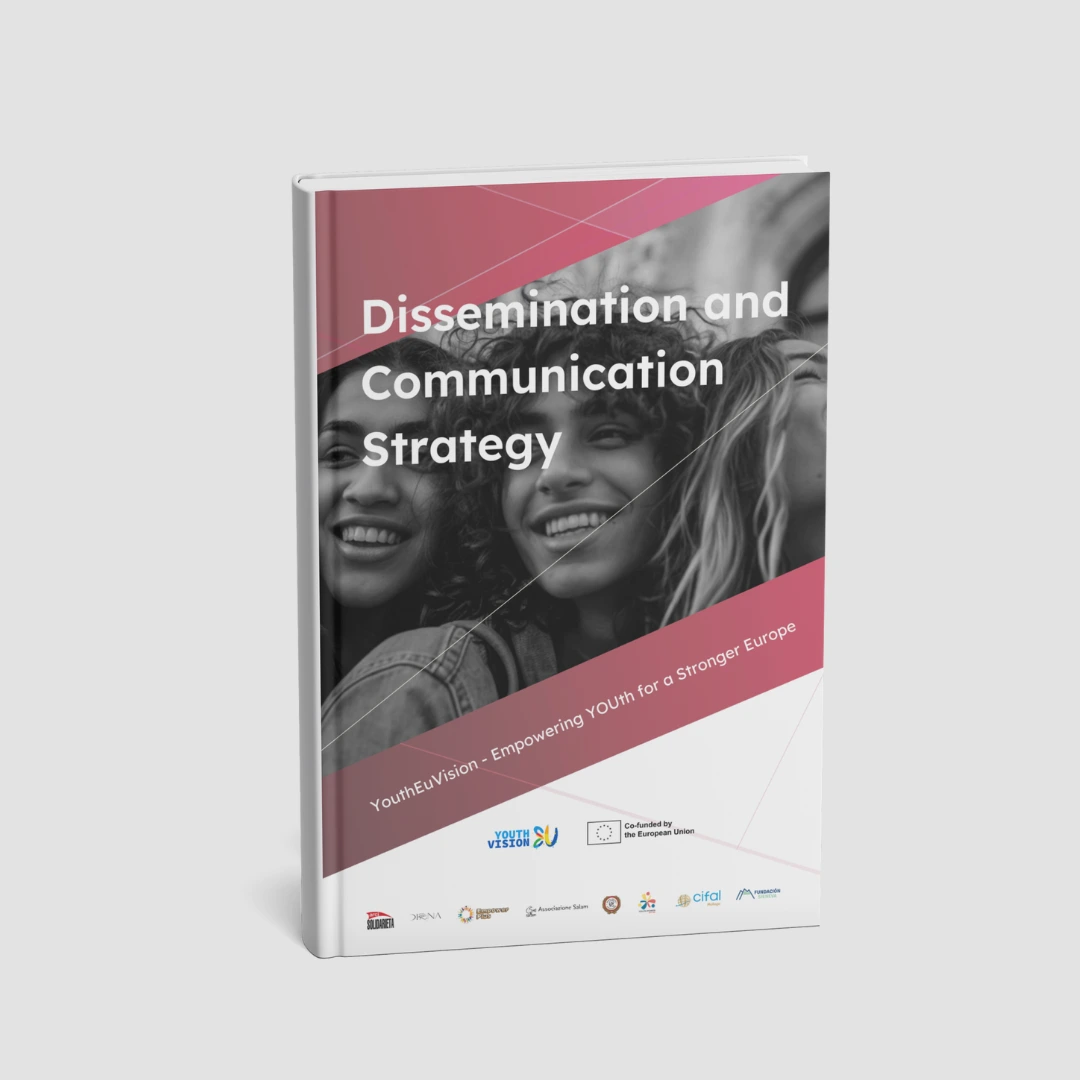
The document Dissemination and Communication Strategy explains how the YouthEUVision project will communicate its activities, reach young people, and share its results. It provides a clear plan for all partners on how to promote the project, engage target groups, follow EU visibility rules, and ensure the project’s tools and outcomes remain useful after the project ends. It serves as a practical guide to coordinate communication, maximise impact, and support long-term sustainability.

Report: Local Workshops on Democracy and Active Citizenship

Report: Local Workshops on Democracy and Active Citizenship

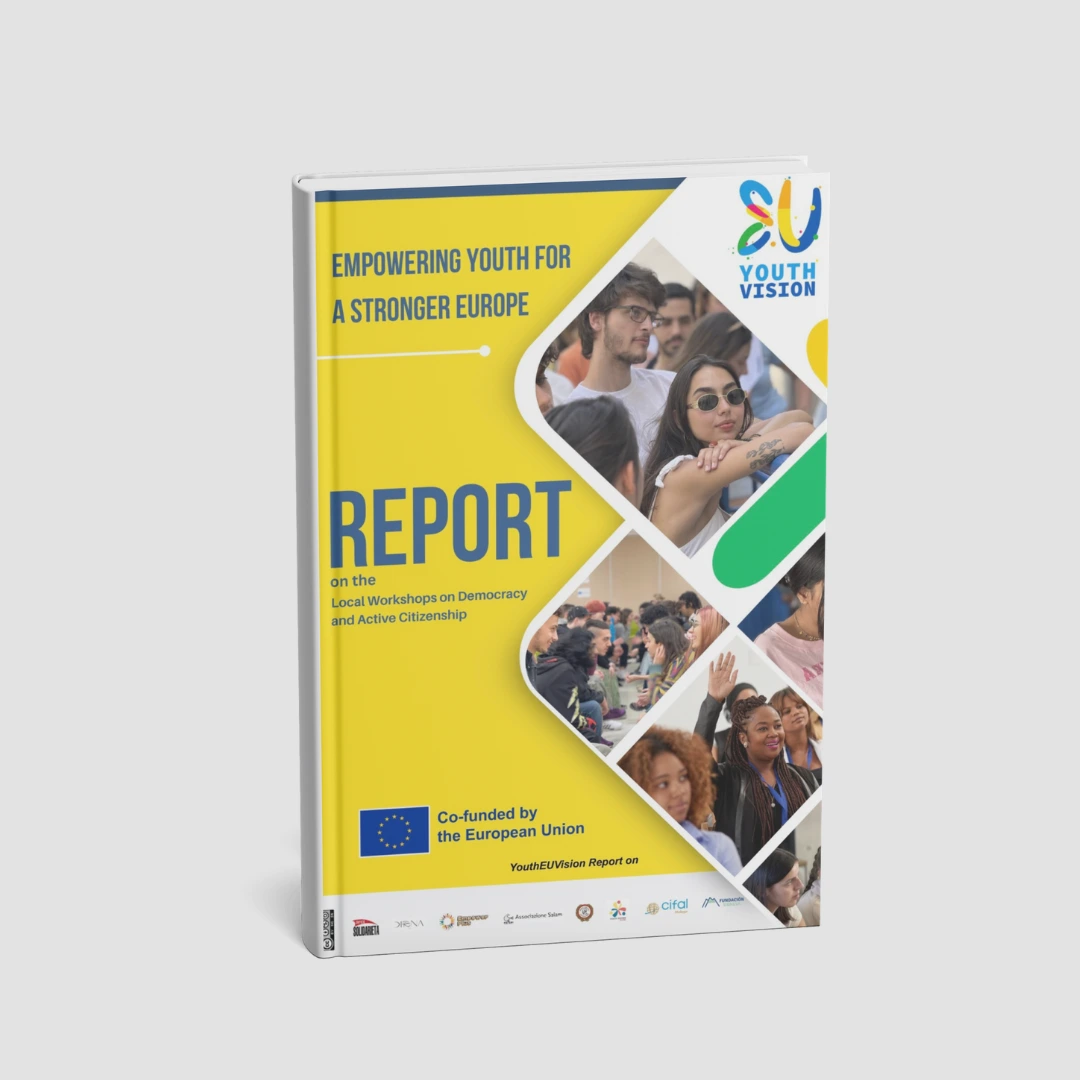
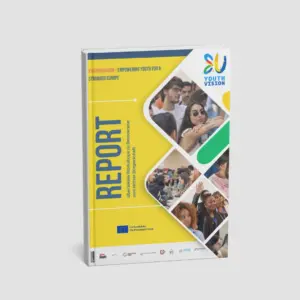
This report presents the outcomes of the YouthEUvision – Empowering Youth for a Stronger Europe project, focusing on a series of local workshops on democracy and active citizenship held across Europe. Co-funded by the European Union, the project brought together young people from diverse social, cultural, and geographical backgrounds to reflect on their role in democratic life and explore meaningful ways to engage at local, national, and European levels.


Between November 2024 and January 2025, eight workshops were organised in Germany, Greece, Italy, Spain, France, and Romania, involving more than 200 young participants. Each workshop was designed to respond to its local context while sharing a common objective: creating inclusive spaces where young people could learn, exchange perspectives, and actively participate in shaping democratic processes.


The report offers an overview of these workshops, documenting their approaches, themes, and experiences. It highlights how non-formal education, participatory methods, and youth-led dialogue can strengthen democratic engagement and foster a more inclusive and participatory Europe.

Other Languages:

Funded by the European Union. Views and opinions expressed are however those of the author(s) only and do not necessarily reflect those of the European Union or the European Education and Culture Executive Agency (EACEA). Neither the European Union nor EACEA can be held responsible for them.

Report: Data Analysis Reports on Youth Participation in Europe

Report: Data Analysis Reports on Youth Participation in Europe

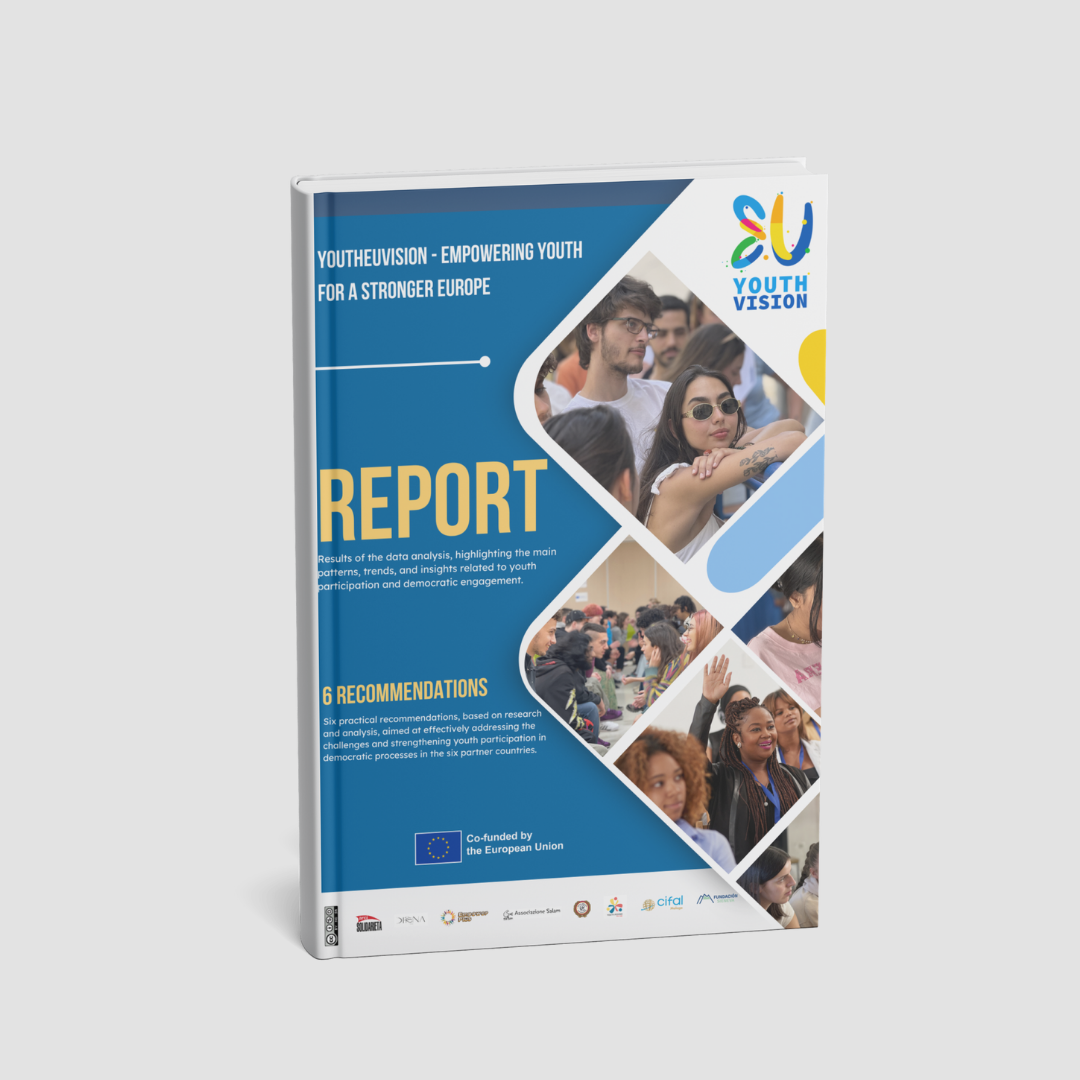
The YouthEUVision WP1 Report provides an in-depth analysis of the data emerging from the desktop researchconducted across six European partner countries: Germany, Italy, Romania, Spain, France, and Greece. The report synthesises a wide range of existing studies, national statistics, policy papers, and institutional reports to offer a comparative picture of how young people participate in democratic life and how national contexts shape their engagement.


By examining the political, social, and institutional environments in each country, the desktop research highlights both common European challenges and country-specific dynamics that affect youth involvement. The data show that while young people express a strong interest in contributing to society and influencing change, particularly through community initiatives, local activism, and digital platforms, they often struggle to find meaningful entry points into formal decision-making structures.


Each country chapter in the report includes:

  • A detailed overview of the national context and the current state of youth political participation

  • Key findings from secondary data on political awareness, voting patterns, civic engagement, and public trust

  • A mapping of relevant youth initiatives, policies, and participation mechanisms

  • Identification of the main barriers preventing young people from participating more fully

  • Six targeted recommendations aimed at strengthening youth engagement and improving democratic involvement


Overall, the desktop research reveals clear cross-national trends: the rise of issue-driven activism (especially around climate, equality, and social justice), increasing use of digital tools for political expression, and an urgent need for more inclusive, transparent, and youth-centred democratic spaces.


This report serves as a valuable resource for policymakers, youth organisations, educators, and anyone working to enhance youth engagement in Europe. By bringing together robust data from diverse national contexts, it provides a solid foundation for designing initiatives that support and empower young people to participate actively and meaningfully in democratic life.